
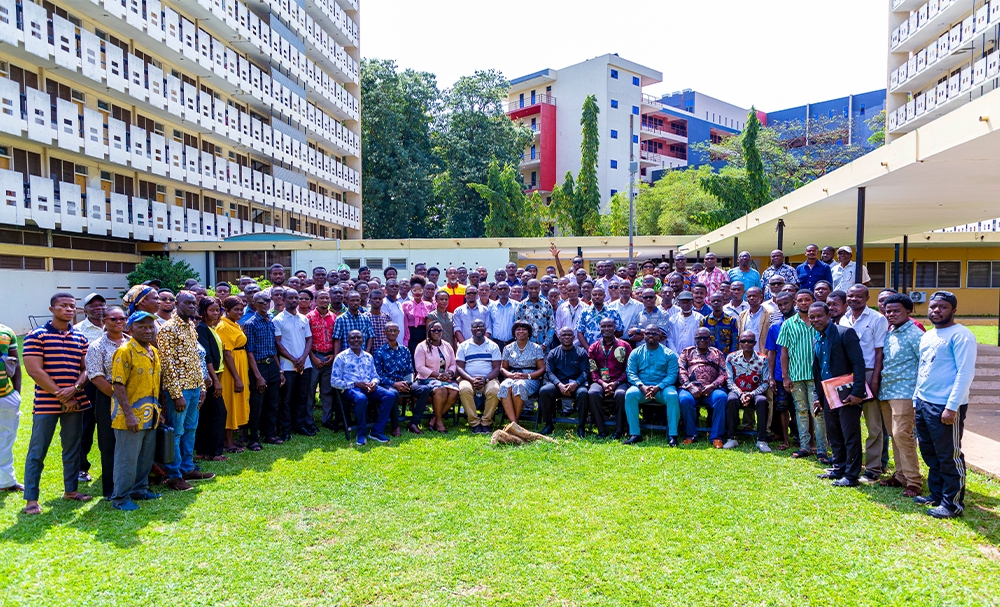
Under the leadership of the Directorate of Student Affairs (DoSA), the Committee of Hall Administrators (CoHA) continues to champion student welfare at KNUST through its annual training for hall assistants and hostel managers.
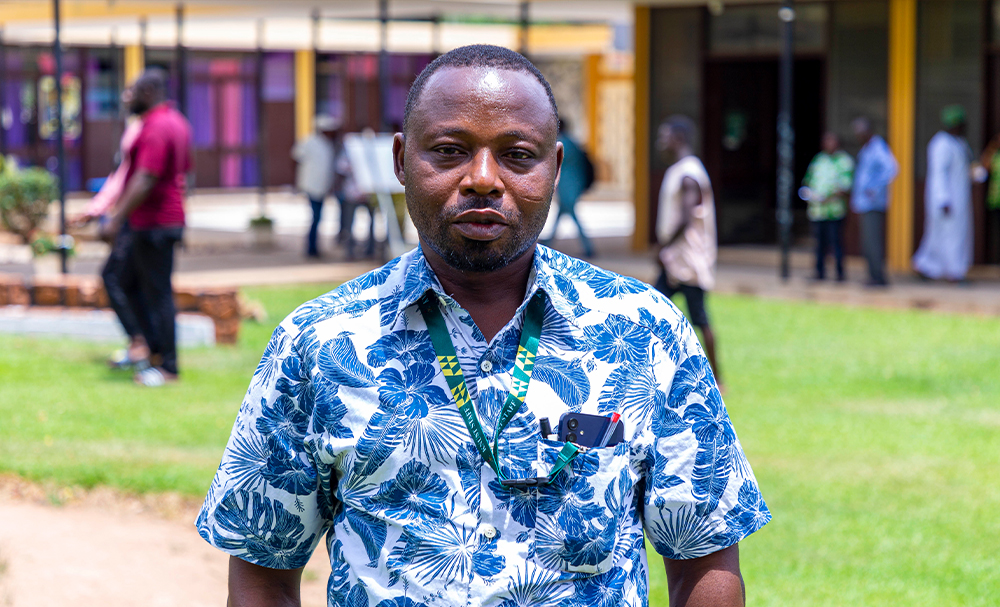
For over two decades, Mr. Paul Kofi Ampate has been more than just a hall assistant, he has been a lifeline for students far from home.
As the Chief Hall Assistant at the Clinical Students Hostel (KATH-KNUST), Mr. Ampate has witnessed the silent struggles of young scholars battling illness, loneliness, and the immense pressures of academia.
One memory that still tugs at his heart is that of a fifth-year Pharm D student, frail but determined, fighting sickle cell disease while pursuing her dreams.
"I couldn’t stand by and watch her suffer," he recalls, voice trembling. "I donated blood when she needed it most because, to me, these students are family."
His compassion, however, hasn’t always been met with understanding. "People assume we help only for money," he says, shaking his head. "But how do you ignore a student in pain?"
Mr. Ampate’s story is just one among many a testament to the unsung heroes who work quietly behind the scenes to make KNUST not just a university, but a home away from home.
His dedication reflects a broader commitment to student welfare, championed by the Directorate of Student Affairs (DoSA) under the leadership of Prof. Marian Asantewah Nkansah. Mr. Ampate works under that committee, which annually organizes training programmes for hall assistants and hostel managers, both on and off campus for effective service delivery and operational efficiency.

This year’s training continued the tradition of equipping residence staff with the skills and knowledge needed to support students’ evolving needs. For many participants, the programme was not only informative but deeply impactful.
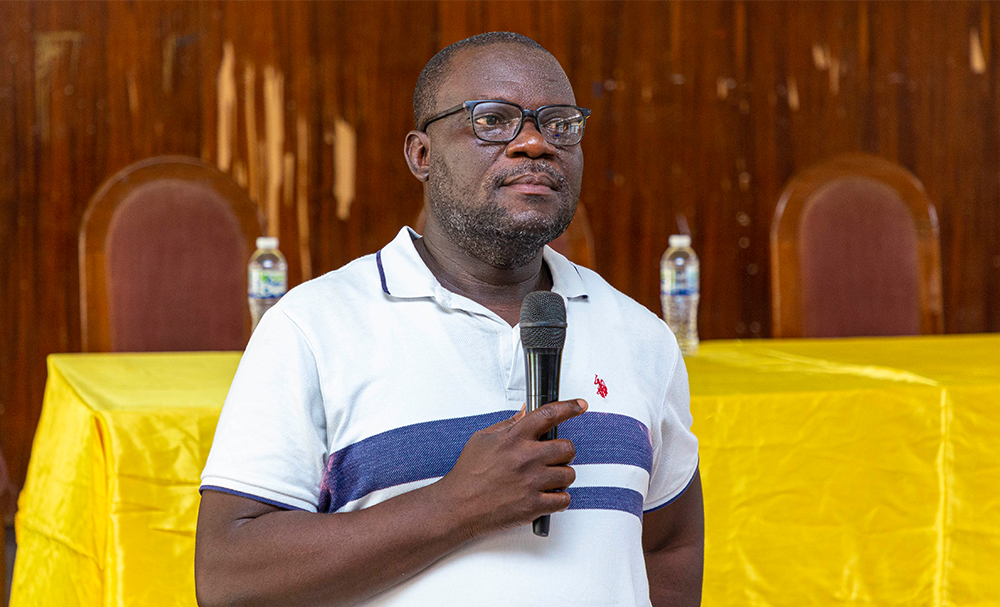
“We have very sophisticated students, and things are changing,” said Professor Samuel Nortey, Chairman of CoHA and Hall Master of Independence Hall. “We want to be a step ahead to meet their needs. This programme gives us a platform to get feedback from those who have been taking care of our students and improve how we serve them.”
Professor Nortey emphasized that these sessions are crucial in helping hall assistants and hostel managers navigate the realities of modern student life, from health and safety issues to emotional support and ethical concerns.
Participants spoke passionately about the value of the initiative. Mr. Antwi Adjei, hostel manager at Canam Hostel, shared how the training offered practical strategies for handling student-related issues.
“This programme helps us a lot. We get tips on how to handle students, especially when they are going through challenges. It teaches us how to be fair and understanding,” he said.
Mr. Adjei also raised a pressing concern that affects many final-year students, the issue of additional fees when they remain in hostels after the academic year to complete theses or internships. He advocated for clearer regulations to protect such students.
“I believe hostel managers must not demand extra money from students who stay back with permission from their departments,” he stated. “The fees students pay cover an academic year, not a calendar year. If they have official letters allowing them to stay, no hostel should exploit that situation.”
For Mr. Amusah Salami, Manager of Sal Hostel in Obuasi and a first-time participant, the initiative proved to be a valuable learning opportunity. He noted that it would greatly assist private hostel owners in aligning their practices with university expectations.